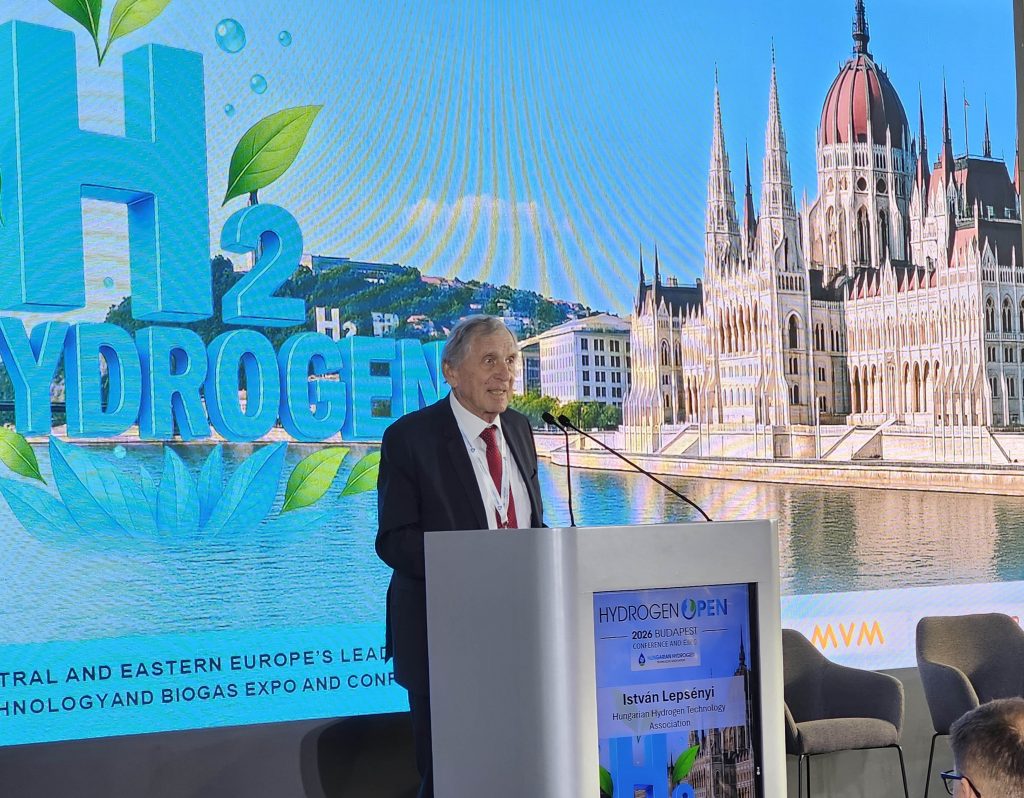
Lakatos Attila

Professional consultation meetings

For conference participants Professional consultation meetings SMR – nuclear to hydrogen real option Hydrogen can be produced for less than EUR3.50 (USD3.80) per kilogram using a combination of solid oxide electrolysis cells and small modular reactors, significantly cheaper than alternative methods Supplier development and network In Hungary, the Hungarian Hydrogen Technology Association will launch hydrogen technology supply chain development from 2026, with the support of the Ministry of National Economy, which will affect not only domestic companies but also large international companies. Storage and grid balancing Researchers have been working on innovative technologies and storage alternatives for grid management and balancing, and there is a growing interest hydrogen storage. Notice: JavaScript is required for this content.

Professional consultation meetings Read More »

Sustainable Transport Investment Plan (STIP)

5th November in Brussels, the European Commission presented its Sustainable Transport Investment Plan (STIP) strategy to accelerate the energy transition of aviation and maritime transport sectors.   Hydrogen Europe announced the events in a statement, stressing that it welcomes the STIP for its specific focus on unlocking resources to help projects make the final investment decision, recognizing the importance of decarbonizing the maritime and aviation sectors with all available technological solutions. Laurent Donceel, Director of Transport at Hydrogen Europe commented: “Today’s communication rightly identifies that a comprehensive funding approach is necessary to help projects reach FID and sign durable offtake agreements. Yet, the price difference between renewable and low-carbon fuels and their fossil competitors remains too high and more efforts are needed to narrow the gap.”  Under the plan, the EU is expected to mobilise at least €2.9 billion until the end of 2027: InvestEU will mobilise at least €2 billion for sustainable alternative fuels until 2027, which will help bridge financial gaps, The Commission will allocate €300 million by end of this year to support the production of hydrogen for sustainable aviation (SAF) and maritime (SMF) fuels through the European Hydrogen Bank. The Commission, through Horizon Europe, will support more R&I projects with a budget of €133 million. The Commission will mobilise €153 million for synthetic aviation fuel projects and €293 million for maritime fuel projects under the Innovation Fund. An eSAF Early Movers Coalition pilot project of committed Member States will be launched by end of 2025 with a stated target budget of at least €500 million for synthetic aviation fuel projects.  The new instruments put in place by STIP also include an intermediary mechanism connecting fuel producers and buyers to provide revenue certainty and de-risk investments, which along with the funding listed above will not only help decarbonise the aviation and maritime sectors but also reduce imports of fossil fuels, improve self-sufficiency and energy security for civil and military use, and also launch an innovative and competitive new industry that will help European jobs and growth numbers.    Boosting the production and uptake of renewable and low-carbon fuels is essential for the resilience and decarbonisation of Europe. Today’s proposals can provide real political momentum for these fuels.  The association and its members now call on the European Commission to promptly implement STIP, notably through the upcoming review of the ETS Directive in 2026, and call upon national governments to seize this opportunity to develop a resilient energy system that can enable the decarbonisation of aviation and waterborne transport. Hydrogen Europe looks forwards to seeing this topic addressed at the meeting of transport ministers on 4 December.

Sustainable Transport Investment Plan (STIP) Read More »

Fenntartható közlekedési beruházási terv

November 5-én Brüsszelben az Európai Bizottság bemutatta a Fenntartható Közlekedési Beruházási Terv (STIP) stratégiáját a légi és tengeri közlekedési ágazat energetikai átállásának felgyorsítása érdekében.   A Hydrogen Europe közleményben adott hírt az eseményekről, ameben hangsúlyozta, üdvözli a STIP-et, amiért az kifejezetten a források felszabadítására összpontosít, hogy segítse a projekteket a végső beruházási döntés meghozatalában, elismerve a tengeri és légi közlekedési ágazat dekarbonizációjának fontosságát az összes rendelkezésre álló technológiai megoldással. Laurent Donceel, a Hydrogen Europe közlekedési igazgatója megjegyezte: „A mai közlemény helyesen állapítja meg, hogy átfogó finanszírozási megközelítésre van szükség ahhoz, hogy a projektek elérjék a FID-t és tartós átvételi megállapodásokat írjanak alá. A megújuló és alacsony szén-dioxid-kibocsátású üzemanyagok és fosszilis versenytársaik közötti árkülönbség azonban továbbra is túl magas, és további erőfeszítésekre van szükség a különbség csökkentése érdekében.” A terv értelmében az EU várhatóan legalább 2,9 milliárd eurót mozgósít 2027 végéig: Az InvestEU legalább 2 milliárd eurót mozgósít fenntartható alternatív üzemanyagokra 2027-ig, ami segít áthidalni a pénzügyi hiányokat, A Bizottság az év végéig 300 millió eurót különít el a fenntartható repülési (SAF) és tengeri (SMF) üzemanyagokhoz szükséges hidrogén előállításának támogatására az Európai Hidrogénbankon keresztül. A Bizottság az Európai Horizont programon keresztül további K+I projekteket fog támogatni 133 millió eurós költségvetéssel. A Bizottság 153 millió eurót mozgósít szintetikus repülőgép-üzemanyaggal kapcsolatos projektekre és 293 millió eurót tengeri üzemanyaggal kapcsolatos projektekre az Innovációs Alap keretében. 2025 végéig elindul az elkötelezett tagállamok eSAF Early Movers Coalition kísérleti projektje, amelynek meghatározott célköltségvetése legalább 500 millió euró a szintetikus repülőgép-üzemanyaggal kapcsolatos projektekre. A STIP által bevezetett új eszközök között szerepel egy közvetítő mechanizmus is, amely összeköti az üzemanyag-termelőket és -vásárlókat a bevételbiztonság és a kockázatmentes beruházások biztosítása érdekében, ami a fent felsorolt finanszírozással együtt nemcsak a légi közlekedés és a tengeri ágazat dekarbonizációját segíti elő, hanem csökkenti a fosszilis tüzelőanyagok importját, javítja az önellátást és az energiabiztonságot a polgári és katonai felhasználás terén, valamint egy innovatív és versenyképes új iparágat indít el, amely elősegíti az európai munkahelyteremtést és a növekedési számokat. A megújuló és alacsony szén-dioxid-kibocsátású üzemanyagok termelésének és elterjedésének fellendítése elengedhetetlen Európa ellenálló képességéhez és dekarbonizációjához. A mai javaslatok valódi politikai lendületet adhatnak ezeknek az üzemanyagoknak A szövetség és tagjai most felszólítják az Európai Bizottságot, hogy haladéktalanul hajtsa végre a STIP-et, nevezetesen az ETS-irányelv 2026-os felülvizsgálatán keresztül, és felszólítják a nemzeti kormányokat, hogy ragadják meg ezt a lehetőséget egy olyan rugalmas energiarendszer kidolgozására, amely lehetővé teheti a légi közlekedés és a vízi közlekedés dekarbonizációját. A Hydrogen Europe várakozással tekint a közlekedési miniszterek december 4-i ülésén zajló megvitatásra.

Fenntartható közlekedési beruházási terv Read More »

Hydrogen Fuel Cells Power Airlander 10

A New Era for Sustainable Airships When you imagine a zero-carbon future in the skies, you probably think of sleek electric jets or swarms of drones. But what if an old-school hybrid airship got a high-tech reboot? On 10 November 2025, Hybrid Air Vehicles and ZeroAvia announced they’re teaming up to outfit the Airlander 10 with four cutting-edge hydrogen-electric propulsion systems. Their goal is a bold one: slash operational emissions by up to 90% and put zero-emission technology front and center in short-haul aviation. It’s easy to picture airships as relics—those grand zeppelins of yesteryear fading from view after headline-grabbing mishaps. But HAV has breathed new life into the concept, swapping out canvas and wood for modern composites, digital flight controls and clean power sources. What started as a military surveillance testbed in the 2010s morphed into a commercial contender thanks to a mix of public grants and private cash. Now, with ZeroAvia on board, it’s poised for its greenest chapter yet. Decoding the Technology At the heart of this venture are hydrogen fuel cells paired with electric motors. High-pressure hydrogen tanks feed the fuel cells, where hydrogen meets air and sparks off electricity—emitting nothing but pure water vapor. That juice powers four whisper-quiet propellers, a massive upgrade over diesel-electric rigs when you’re cruising over cities or sensitive wildlife areas. About 60% of the Airlander 10’s lift comes from helium buoyancy; the rest is all about aerodynamics once you’re moving forward. The upshot? Way less energy burned per ton-mile compared to your average turboprop. And while battery-only designs wrestle with heavy packs, this hybrid approach leans on hydrogen’s superior energy density for longer hops. On the ground, the partnership is already pushing fresh ideas in hydrogen hubs and refueling. Think ruggedized dispensers that slot into existing aviation fuel farms, safe storage for high-pressure tanks, and slick protocols so turnarounds are fast and fail-safe. Nail these details, and you’ve got a template airports around the world can replicate. Whether you’re an aviation buff or an investor eyeing the hottest sustainable energy frontier, this collaboration feels like a turning point. It’s proof that hydrogen fuel cells aren’t just lab curiosities but ready to shine on radical platforms like the Airlander 10. If all goes well, we might soon see silent, buoyant giants crisscrossing the globe, leaving only water vapor and lower emissions in their wake.

Hydrogen Fuel Cells Power Airlander 10 Read More »

Hydrogen engine development begins in Japanese-Hungarian cooperation

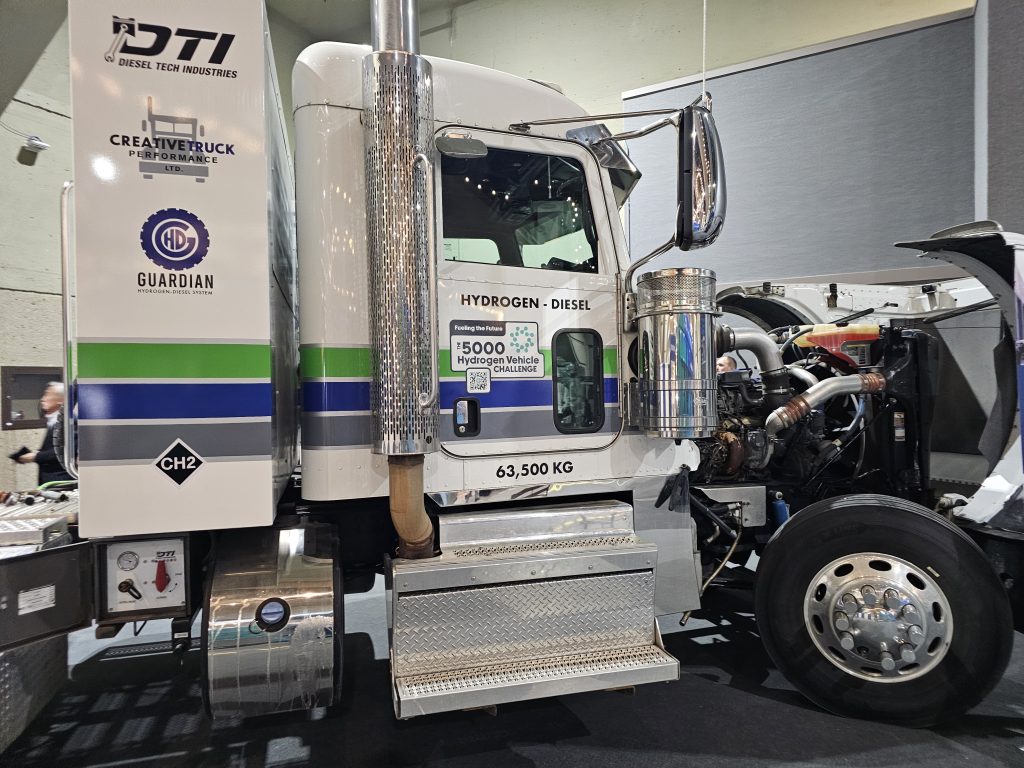
Japan-Hungary technological cooperation in the development of hydrogen propulsion: BDN Automotive, iLabo Corporation and the Hungarian Hydrogen Technology Association have signed a partnership agreement. The agreement signed today is not only the beginning of a technological partnership, but also the first step in realizing a common vision, in which Japanese precision, Hungarian engineering knowledge and commitment to sustainable mobility come together, the signatories emphasized. Hikariko Ono, Ambassador of Japan to Hungary, In a ceremonial setting, the Japanese iLabo Corporation, BDN Automotive Kft. (BDN) and the Hungarian Hydrogen Technology Association (MHTSZ) signed a cooperation agreement aimed at the development and experimental application of hydrogen internal combustion engines (H₂ ICE).   The signing was also the official opening event of BDN’s latest hydrogen-diesel dual-fuel development, which enables up to 85% CO₂ emission reduction by retrofitting diesel engines without replacing the existing vehicle fleet.   The event was opened by Hikariko Ono, Ambassador of Japan to Hungary, and István Lepsényi, President of MHTSZ, who emphasized that the initiative is not only an important milestone in the domestic and international spread of hydrogen-based transport, but also a good example of how hydrogen is also a new engine for international innovation and economic cooperation. The MHTSZ takes on a coordinating role in communication, regulatory dialogue and ecosystem building, thereby facilitating the social acceptance of the technology and the integration of hydrogen as an energy carrier into the economy. In his speech, István Lepsényi highlighted that these collaborations and successes prove how important the programs and events that support the development of domestic companies are, which the Association organizes every year. He added that the Hydrogen Open Budapest event in January could open the way for more domestic companies, to which hundreds of international experts and company leaders from 14 countries will arrive to discuss the possibilities of hydrogen technology, the regulatory tasks ahead, development directions and support opportunities at an international level. Imre Hild, CEO of OUVC, a venture capital investment company affiliated with Óbuda University, also spoke at the event, highlighting that the university is not only a supporter of such technological developments, but also promotes the recruitment of the industry and research and development collaborations by launching an independent hydrogen department. BDN is currently looking for industry partners and additional investors for the international introduction of the technology. “Hydrogen is one of the most promising directions for decarbonizing transport and industry. Our goal is to offer a fast, cost-effective and scalable solution to reduce emissions by converting existing engines — not in 10 years, but now,” said Nimród Ludescher, founder and CEO of BDN Automotive, who previously won the Hungarian Hydrogen Technology Innovation Award, organized by the Hungarian Hydrogen Technology Association and the Hungarian Research Network HUN-REN. The collaboration, based on iLabo’s laboratory and measurement infrastructure and BDN’s European development and calibration experience, also opens up new opportunities in the field of innovation and sustainability in the technological partnership between Japan and Hungary.

Hydrogen engine development begins in Japanese-Hungarian cooperation Read More »

Japán – Magyar együttműködésben indul hidrogénmotor fejlesztés

Japán–Magyar technológiai együttműködés a hidrogénhajtás fejlesztésében: a BDN Automotive, az iLabo Corporation és a Magyar Hidrogéntechnológia Szövetség partnerségi megállapodást írt alá. A most aláírt megállapodás nemcsak egy technológiai partnerség kezdete, hanem egy közös jövőkép megvalósításának első lépése is, amelyben a japán precizitás, a magyar mérnöki tudás és a fenntartható mobilitás iránti elkötelezettség találkozik – hangsúlyozták az aláíró felek. Hikariko Ono, Magyarországi Japán Nagykövet Ünnepélyes keretek között együttműködési megállapodást írt alá a japán iLabo Corporation, a BDN Automotive Kft. (BDN) és a Magyar Hidrogéntechnológiai Szövetség (MHTSZ), amely a hidrogén belső égésű motorok (H₂ ICE) fejlesztését és kísérleti alkalmazását célozza. Az aláírás egyben a BDN legújabb hidrogén-dízel, kettős üzemű fejlesztésének hivatalos nyitóeseménye volt, amely a dízelmotorok utólagos átalakításával akár 85%-os CO₂-kibocsátás-csökkentést tesz lehetővé a meglévő járműflotta cseréje nélkül. Az eseményt Hikariko Ono, Magyarországi Japán Nagykövet és Lepsényi István, az MHTSZ elnöke nyitották meg, akik hangsúlyozták, hogy a kezdeményezés nemcsak fontos mérföldkő a hidrogénalapú közlekedés hazai és nemzetközi elterjedésében, hanem jól példázza, hogy a hidrogén a nemzetközi innováció és gazdasági együttműködés új motorja is. Az MHTSZ koordinációs szerepet vállal a kommunikációban, a szabályozói párbeszédben és az ökoszisztéma-építésben, ezzel elősegítve a technológia társadalmi elfogadását és a hidrogén, mint energiahordozó integrációját a gazdaságba. Lepsényi István beszédében kiemelte, hogy ezek az együttműködések és sikerek bizonyítják, hogy mennyire fontosok azok a hazai vállalatok fejlesztéseit támogató programok és rendezvények, amelyeket évről évre megrendez a Szövetség.  Hozzátette, újabb hazai vállalatok előtt nyithat teret a Hydrogen Open Budapest esemény januárban, amelyre 14 országból több száz nemzetközi szakember és vállalatvezető érkezik, hogy a hidrogéntechnológia lehetőségeit, az előttünk álló szabályozási feladatokat, fejlesztési irányokat és támogatási lehetőségeket egyeztesse nemzetközi szinten. A rendezvényen Hild Imre, az Óbudai Egyetemhez tartozó OUVC kockázati tőkebefektető cég ügyvezetője is felszólalt, kiemelve, hogy az egyetem nemcsak támogatója az ilyen irányú technológiai fejlesztéseknek, hanem önálló hidrogén tanszék indításával is elősegíti az iparág utánpótlását és a kutatási-fejlesztési együttműködéseket. A BDN jelenleg iparági partnereket és további befektetőket keres a technológia nemzetközi léptékű bevezetéséhez.   „A hidrogén az egyik legígéretesebb irány a közlekedés és az ipar szén-dioxid-mentesítésében. Célunk, hogy a meglévő motorok átalakításával gyors, költséghatékony és skálázható megoldást kínáljunk a kibocsátáscsökkentésre — nem 10 év múlva, hanem most” – mondta Ludescher Nimród, a BDN Automotive alapítója és ügyvezetője, aki a korábban az MHTSZ és az HUN-REN Magyar Kutatási Hálózat által kiírt Magyar Hidrogéntechnológiai Innovációs Díjat is elnyerte. Az iLabo laboratóriumi és mérési infrastruktúrájára, valamint a BDN európai fejlesztési és kalibrációs tapasztalataira épülő együttműködése az innováció és a fenntarthatóság területén is új lehetőségeket nyit meg Japán és Magyarország közötti technológiai partnerségben.

Japán – Magyar együttműködésben indul hidrogénmotor fejlesztés Read More »

Successful professional journey in Osaka

Several Hungarian and Japanese companies may start cooperation in the near future, thanks to the Osaka professional trip organized by the Hungarian Hydrogen Technology Association. Four Hungarian companies and members of the association participated in two professional meetings and four bilateral meetings during the five-day event, which ended with outstanding results. Visit to the hydrogen park The Hungarian Hydrogen Technology Association also organized a professional trip, workshop and exhibition opportunity to Japan for its member companies at the Hungarian pavilion of the Osaka World Expo. The professional programs took place during the thematic professional week “The Future of Earth and Biodiversity Week” between 22 and 26 September 2026. The opening event of the programs was the business meeting organized by the Hungarian Hydrogen Technology Association, which was attended by Csaba Lantos, Minister of Energy, Dr. Csaba Gondola, State Secretary for Circular Economy and Climate Policy, András Kerekes, Head of the Foreign Trade Mission in Osaka, the leaders and representatives of the member companies of the Japan Hydrogen Association, as well as Hungarian companies. Japan has an outstanding level of knowledge and development in hydrogen technology. Knowledge transfer and business opportunities were the focus of the hydrogen technology business forum organized by the Hungarian Hydrogen Technology Association at the Hungarian Pavilion in Osaka. In his speech, Energy Minister Csaba Lantos highlighted that Japan is the ninth largest investor in Hungary, which could further increase with the emergence of renewable technologies. During his visit to Osaka, after the business forum, the ministerial delegation and Hungarian companies visited the hydrogen technology park of the World Expo at the invitation of the Japanese Hydrogen Association. Csaba Lantos, minister Attila Lakatos, MHTSz Japanese and Hungarian business forum The visit to Mitsubishi Takasago Hydrogen Park has also initiated several bilateral discussions, which will hopefully soon lead to business agreements and cooperation opportunities. During the event, the Hungarian and Japanese Hydrogen Associations prepared a bilateral professional plan, which is expected to be finalized by the beginning of next year. Another highlight of the week-long program was the technology workshop, which was also organized by the Hungarian Hydrogen Technology Association in the Hungarian pavilion of the Osaka World Expo together with the staff of the Hungarian pavilion. The event was opened by András Kerekes, head of the Osaka foreign trade mission, and after the introductions of the Japanese and Hungarian Hydrogen Associations, several Japanese companies and representatives of domestic enterprises gave presentations. András Kerekes, head of the Osaka Foreign Trade Mission. Zoltán Butsi, MHTSz Japanese and Hungarian business forum The two bilateral meetings held by the Association and the delegation’s domestic company leaders with senior staff from the Japanese technology development agency NEDO and Mitsubishi also brought about future professional and collaborative opportunities. The highlight of the professional trip was the visit to the Kawasaki Haima Works demonstration center, Kawasaki Heavy Industries – Liquid hydrogen park, where the domestic experts were able to learn about the technology of liquid hydrogen storage and transportation and the most advanced solutions currently available. The professional trip organized by the Hungarian Hydrogen Technology Association included, among others, Nimród Ludescher, founder and CEO of BDN Automotive, who also won the Hungarian Hydrogen Technology Innovation Award previously announced by the MHTSZ and the HUN-REN Hungarian Research Network, but also János Elek, head of Hydrogen Revolution Hungary Kft. in the field of hydrogen storage, and Alíz Szaszák from Pascal Technologies Kft., who also conducted successful negotiations. . János Elek, Hydrogen Revolution Hungary Kft. Alíz Szaszák, Pascal Technologies Kft. Nimród Ludescher, BDN Automotive Consultation with Mitsubishi senior staff Consultation with Mitsubishi senior staff Consultation with NEDO senior staff

Successful professional journey in Osaka Read More »

Kiemelkedő eredmények Oszakában

Több magyar és japán vállalat között indulhat el együttműködés a közeljövőben, köszönhetően a Magyar Hidrogéntechnológiai Szöveteség által szervezett Oszakai szakmai útnak. A kiemelt eredményekkel zárult ötnapos eseményen 4 hazai vállalat és a szövetség tagjai két szakmai találkozón és 4 bilaterális találkozón vettek részt. Látogatás a hidrogén parkban Szakmai utat, workshopot és kiállítási lehetőséget is szervezett a Magyar Hidrogéntechnológiai Szövetség Japánba tagvállalatai részére az Oszakai Világkiállítás magyar pavilonjába. A szakmai programokra a „The Future of Earth and Biodiversity Week” tematikus szakmai héten került sor 2026 szeptember 22 és 26 között.   A programok nyitóeseménye volt az a Magyar Hidrogéntechnológiai Szövetség által szervezett üzleti találkozó, amelyen Lantos Csaba energiaügyi miniszter, dr. Gondola Csaba körforgásos gazdaságért és klímapolitikáért felelős államtitkár, Kerekes András az oszakai külgazdasági misszió vezető, a Japán Hidrogén Szövetség vezetői és tagvállalatainak a képviselői, valamint a magyar vállalatok vettek részt. Japán a hidrogén technológiában kiemelkedő tudás és fejlettségi szinten van. Tudás transzfer és üzleti lehetőségek álltak a Magyar Hidrogéntechnológiai Szövetség által az Oszakai Magyar Pavilonban szervezett hidrogén technológiai üzleti fórum középpontjában.  Lantos Csaba energiaügyi miniszter beszédében kiemelte, hogy japán Magyarország kilencedik legnagyobb befektetője, amely tovább nőhet a megújuló technológiák megjelenésével. Oszakai látogatása során az üzleti fórum után a japán hidrogén szövetség meghívására a miniszteri delegáció és a magyar vállalatok ellátogattak a Világkiállítás hidrogén technológiai parkjába. Lantos Csaba, miniszter Lakatos Attila, MHTSz Japán és magyar üzleti fórum Mitsubishi Takasago Hidrogén Park látogatása kapcsán több olyan kétoldalú egyeztetés is elindult, amely remélhetően hamarosan üzleti megállapodásokban és együttműködési lehetőségekkel folytatódnak. Az esemény során a magyar és a japán hidrogén szövetség előkészített egy kétoldalú szakmai tervet melynek véglegesítése a jövő év elejére várható.   Az egy hetes program másik kiemelt eseménye volt az technológiai workshop, amelyet szintén az Oszakai Világkiállítás magyar pavilonjába szervezett a Magyar Hidrogéntechnológiai Szövetség a magyar pavilon munkatársaival közösen. Az eseményt Kerekes András az oszakai külgazdasági misszió vezetője nyitotta meg, majd a Japán és Magyar hidrogén Szövetségek bemutatkozása után több japán vállalat és a hazai vállalkozás képviselői tartottak előadást. Kerekes András, Oszaka külgazdasági misszió vezető Butsi Zoltán, MHTSz Japán és magyar üzletifórum Jövőbeli szakmai és együttműködéseket hozott az a két bilaterális találkozó is amelyet a NEDO japán technológiai fejlesztési ügynökség és a Mitsubishi vezető munkatársaival folytatott a Szövetség és a delegáció hazai vállalatvezetői.   A szakmai út kiemelt programja volt a Kawasaki Haima Works demonstration center, Kawasaki Heavy Industries – Liquid hydrogen park látogatása, ahol a folyékony hidrogén tárolásának és szállításának a technológiájával és jelenleg elérhető legfejlettebb megoldásaival ismerkedhettek meg a hazai szakemberek. A Magyar Hidrogéntechnológiai Szövetség által szervezett szakmai út tagja volt többek között a Ludescher Nimród a BDN Automotive alapítója és ügyvezetője, aki a korábban az MHTSZ és az HUN-REN Magyar Kutatási Hálózat által kiírt Magyar Hidrogéntechnológiai Innovációs Díjat is elnyerte, de sikeres egyeztetéséket folytatott Elek János a Hydrogen Revolution Hungary Kft. vezetője a hidrogén tárolás területén és Szaszák Alíz a Pascal Technologies Kft. részéről is. . Elek János, Hydrogen Revolution Hungary Kft. Szaszák Alíz, Pascal Technologies Kft. Ludescher Nimród, BDN Automotive Egyeztetés a Mitsubishi vezető munkatársaival Egyeztetés a Mitsubishi vezető munkatársaival Egyeztetés a NEDO vezető munkatársaival

Kiemelkedő eredmények Oszakában Read More »