A New Era for Sustainable Airships
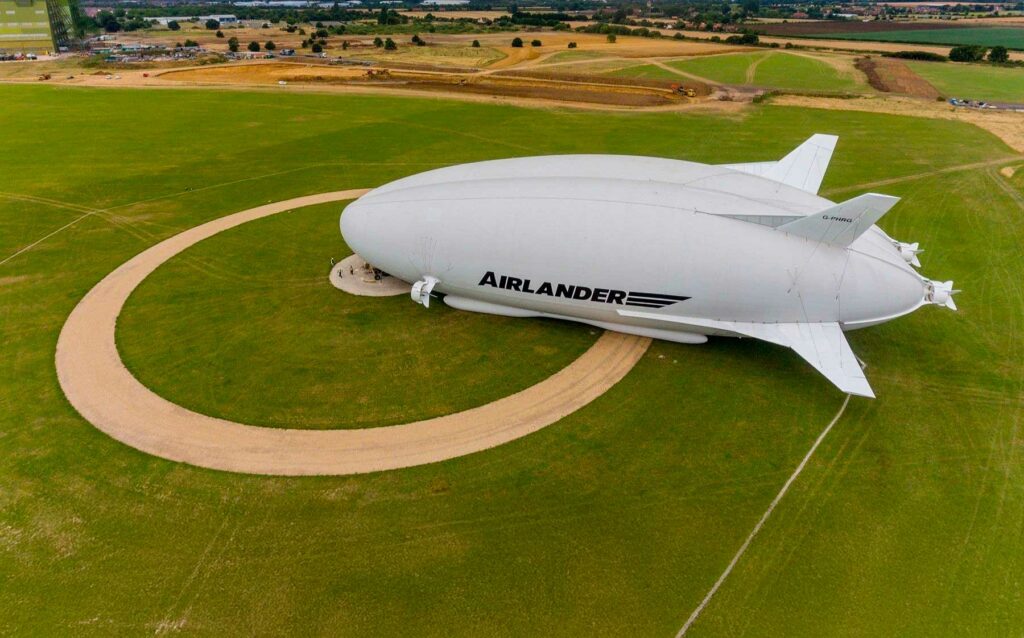
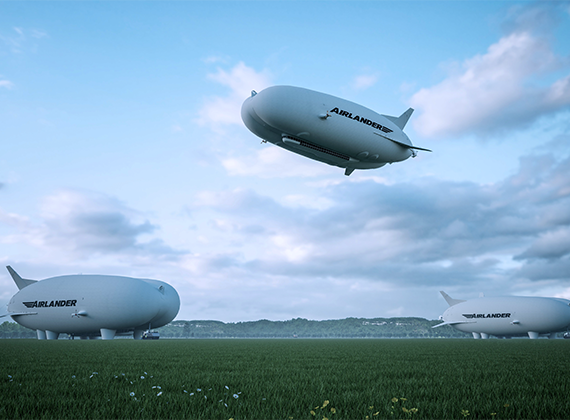
When you imagine a zero-carbon future in the skies, you probably think of sleek electric jets or swarms of drones. But what if an old-school hybrid airship got a high-tech reboot? On 10 November 2025, Hybrid Air Vehicles and ZeroAvia announced they’re teaming up to outfit the Airlander 10 with four cutting-edge hydrogen-electric propulsion systems. Their goal is a bold one: slash operational emissions by up to 90% and put zero-emission technology front and center in short-haul aviation.
It’s easy to picture airships as relics—those grand zeppelins of yesteryear fading from view after headline-grabbing mishaps. But HAV has breathed new life into the concept, swapping out canvas and wood for modern composites, digital flight controls and clean power sources. What started as a military surveillance testbed in the 2010s morphed into a commercial contender thanks to a mix of public grants and private cash. Now, with ZeroAvia on board, it’s poised for its greenest chapter yet.
Decoding the Technology
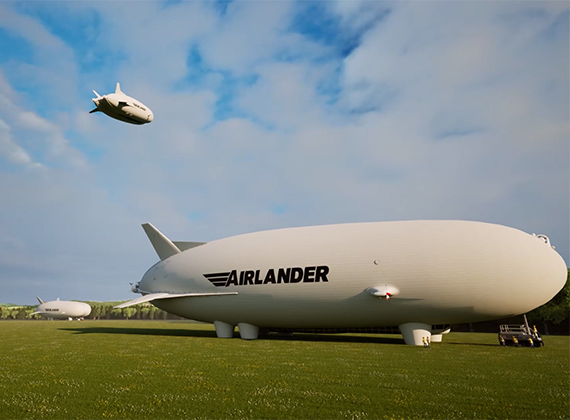
At the heart of this venture are hydrogen fuel cells paired with electric motors. High-pressure hydrogen tanks feed the fuel cells, where hydrogen meets air and sparks off electricity—emitting nothing but pure water vapor. That juice powers four whisper-quiet propellers, a massive upgrade over diesel-electric rigs when you’re cruising over cities or sensitive wildlife areas.
About 60% of the Airlander 10’s lift comes from helium buoyancy; the rest is all about aerodynamics once you’re moving forward. The upshot? Way less energy burned per ton-mile compared to your average turboprop. And while battery-only designs wrestle with heavy packs, this hybrid approach leans on hydrogen’s superior energy density for longer hops.
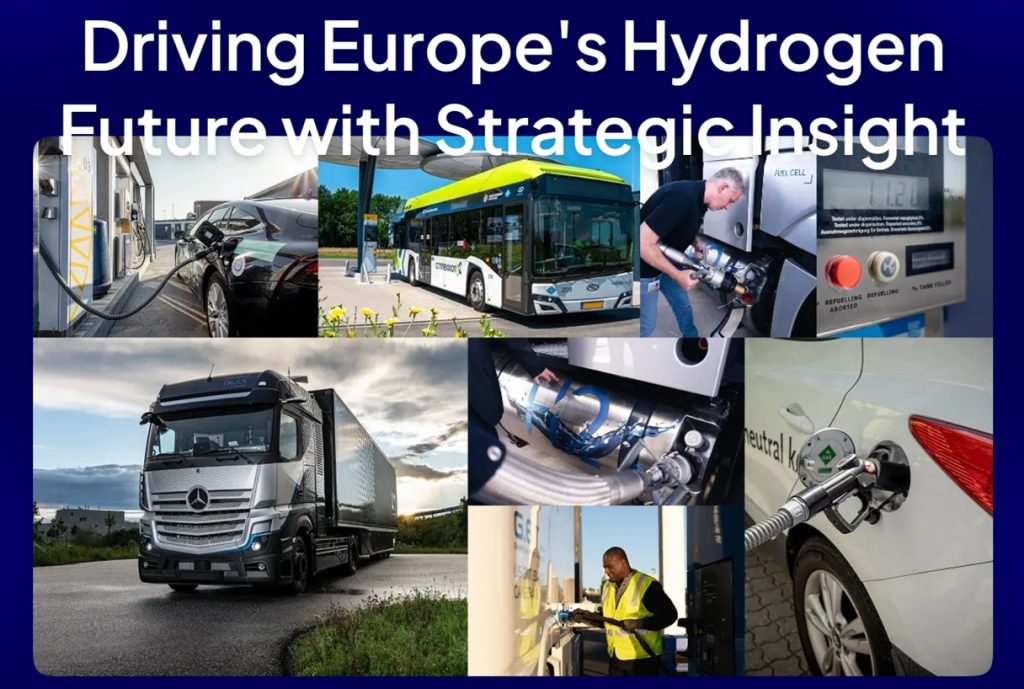
On the ground, the partnership is already pushing fresh ideas in hydrogen hubs and refueling. Think ruggedized dispensers that slot into existing aviation fuel farms, safe storage for high-pressure tanks, and slick protocols so turnarounds are fast and fail-safe. Nail these details, and you’ve got a template airports around the world can replicate.
Whether you’re an aviation buff or an investor eyeing the hottest sustainable energy frontier, this collaboration feels like a turning point. It’s proof that hydrogen fuel cells aren’t just lab curiosities but ready to shine on radical platforms like the Airlander 10. If all goes well, we might soon see silent, buoyant giants crisscrossing the globe, leaving only water vapor and lower emissions in their wake.