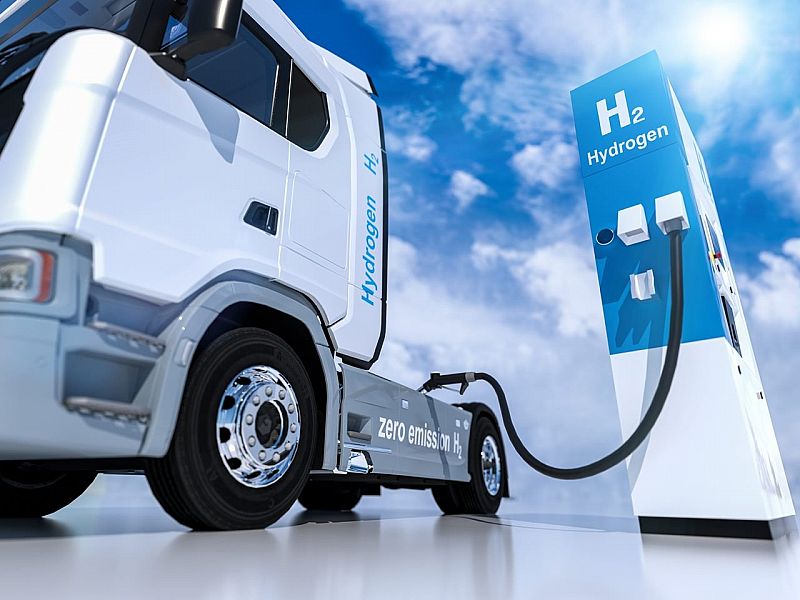
Members of the European Parliament have decided to support a hydrogen-based green transition in the transport sector, because they can see the bigger, long-term picture: that hydrogen is a necessary and opportune tool to achieve carbon neutrality and energy security in Europe. With this vote, the EP has sent a strong signal that clean hydrogen mobility is a viable and realistic solution to move away from fossil fuels in the transport sector. In 19 oktober 2022 plenary vote, parliamentarians opted to keep the targets proposed by the Rapporteur Ismael Ertug and their committee colleagues in a vote earlier in October. A maximum distance of 100km between each hydrogen refuelling station, along both the core and comprehensive TEN-T networks, will mean that by the time the infrastructure is in place by end of 2027, up to 1,780 HRS could be available across Europe, suppling up to 1million ton of hydrogen per year, sufficient to power up to 59,000 trucks (assuming 60kg/truck per day). Under the council position in its General Approach, no more than 8,000 trucks could be supplied, and the lack of HRS coverage would make it unattractive for drivers and fleet operators. With this vote, the EP has sent a strong signal that clean hydrogen mobility is a viable and realistic solution to move away from fossil fuels in the transport sector. We believe that a strong rollout of hydrogen refuelling infrastructure in Europe will act as a catalyst for similar policies around the globe. The AFIR vote also solves the “chicken and egg” problem – so often faced by new technologies. The roll-out of these stations will encourage vehicle manufacturers to bring more and better fuel-cell vehicles to the market, improving their performance and reducing their cost, which in turn will lead to uptake in fuel cell vehicle adoptions by both commercial and private users.