
Our Classes
Applications of hydrogen
Hydrogen is one of the most versatile energy carriers, playing a key role not only in energy storage but also as an industrial feedstock. As a result of decarbonisation efforts, demand for hydrogen is growing rapidly worldwide, especially in sectors that are difficult to electrify.
Hydrogen is not just an alternative energy source but a strategic tool in transforming the entire energy system. From industry through transport to energy storage, it offers solutions in many areas, especially where other technologies are limited.
In the coming years, technological progress and falling costs are expected to accelerate the widespread adoption of hydrogen.
Energy integration – the energy system of the future
One of hydrogen's greatest advantages is that it connects different energy sectors. Sector coupling
Hydrogen forms a bridge: between electricity and gas systems, between industry and transport, between energy storage and use.
System-level benefits: greater flexibility, better energy efficiency, lower system costs in the long term
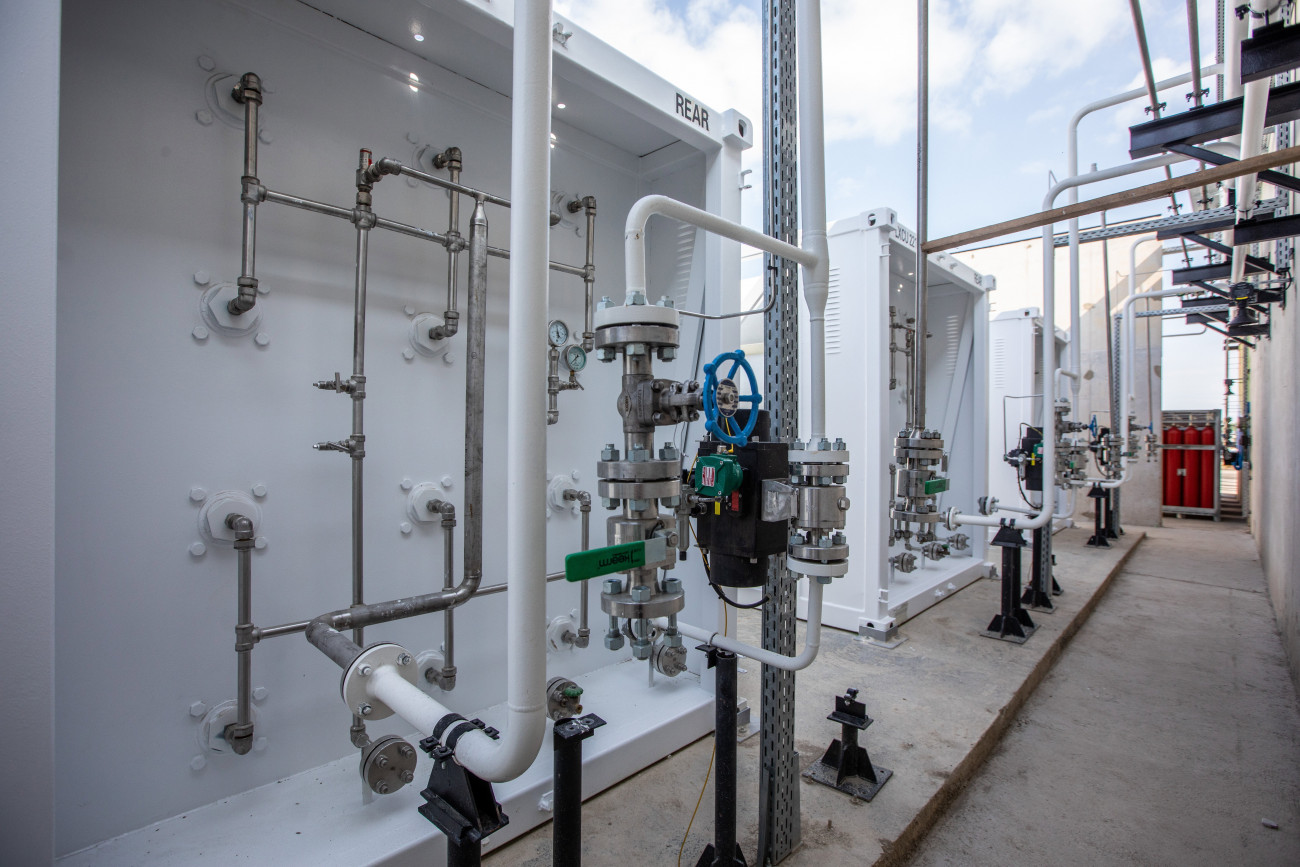
Today, more than 70% of hydrogen use is linked to industry. The most important areas of use:
Ammonia production – Hydrogen is essential in fertiliser production, where it reacts with nitrogen to form ammonia. This process is indispensable for global food production.
Oil refining – Refineries use hydrogen for: desulphurisation, processing heavy hydrocarbons, improving fuel quality
Methanol production – Methanol is an important chemical feedstock used to produce plastics, solvents and fuels.
Steelmaking – Conventional steelmaking is coal-based (coke), which involves significant CO₂ emissions. Hydrogen-based technologies (e.g. direct reduction) make it possible to replace coal and achieve emission reductions of up to 90%
👉 This is one of the most important industrial decarbonisation opportunities.
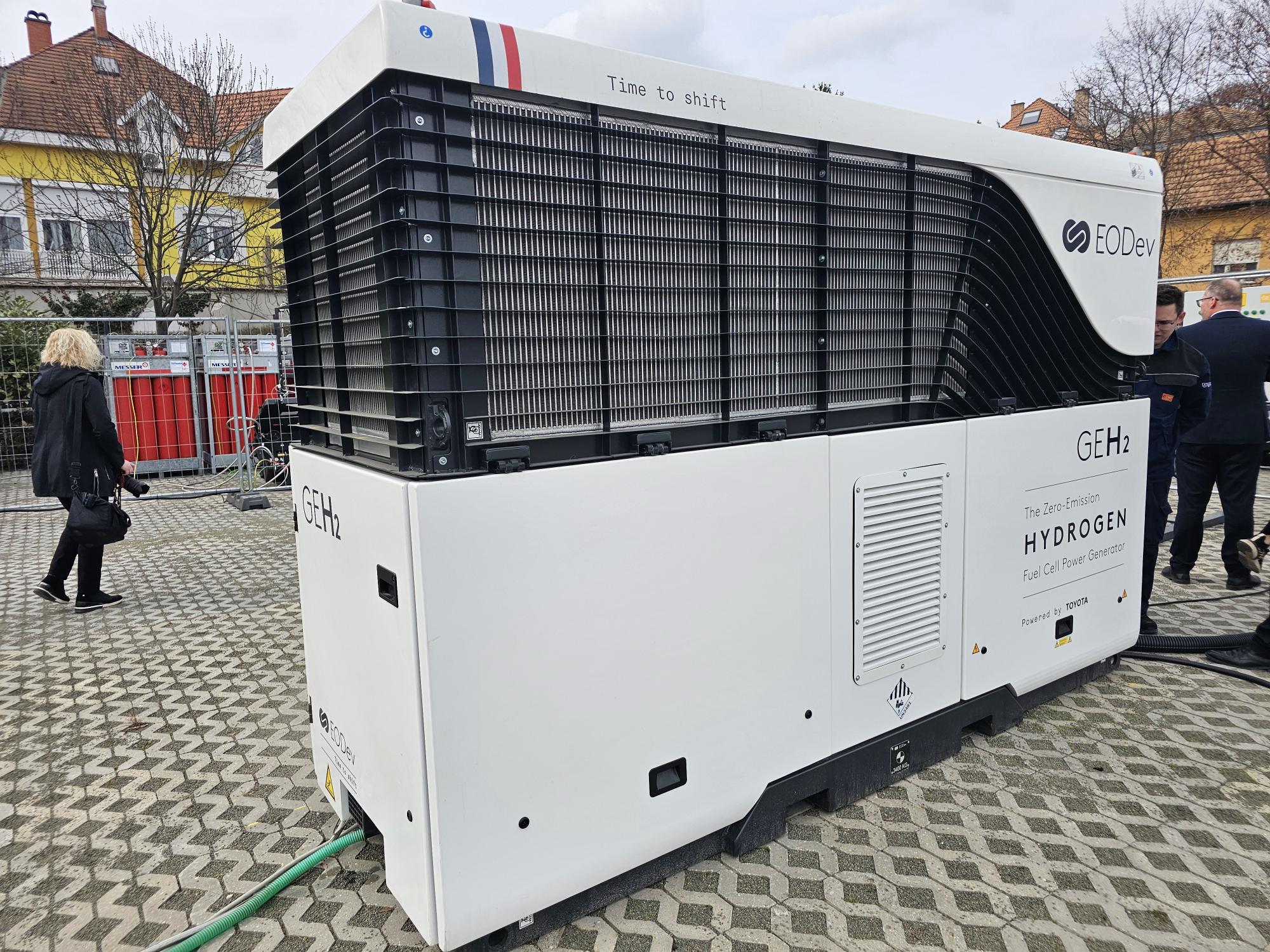
With the rise of renewable energy sources, the need for efficient energy storage is growing. Hydrogen plays a key role in this.
Power-to-Gas technology – Surplus electricity is converted into hydrogen by electrolysis, which can be stored, transported and later converted back into electricity.
Long-term energy storage
Unlike batteries, hydrogen can be stored for months and can be economical even in large quantities.
This is where fuel cells come to the fore: Electricity can be generated directly from hydrogen using a fuel cell. Its advantage is low emissions (only water is produced)
👉 This is particularly important as a back-up energy source and in decentralised systems.

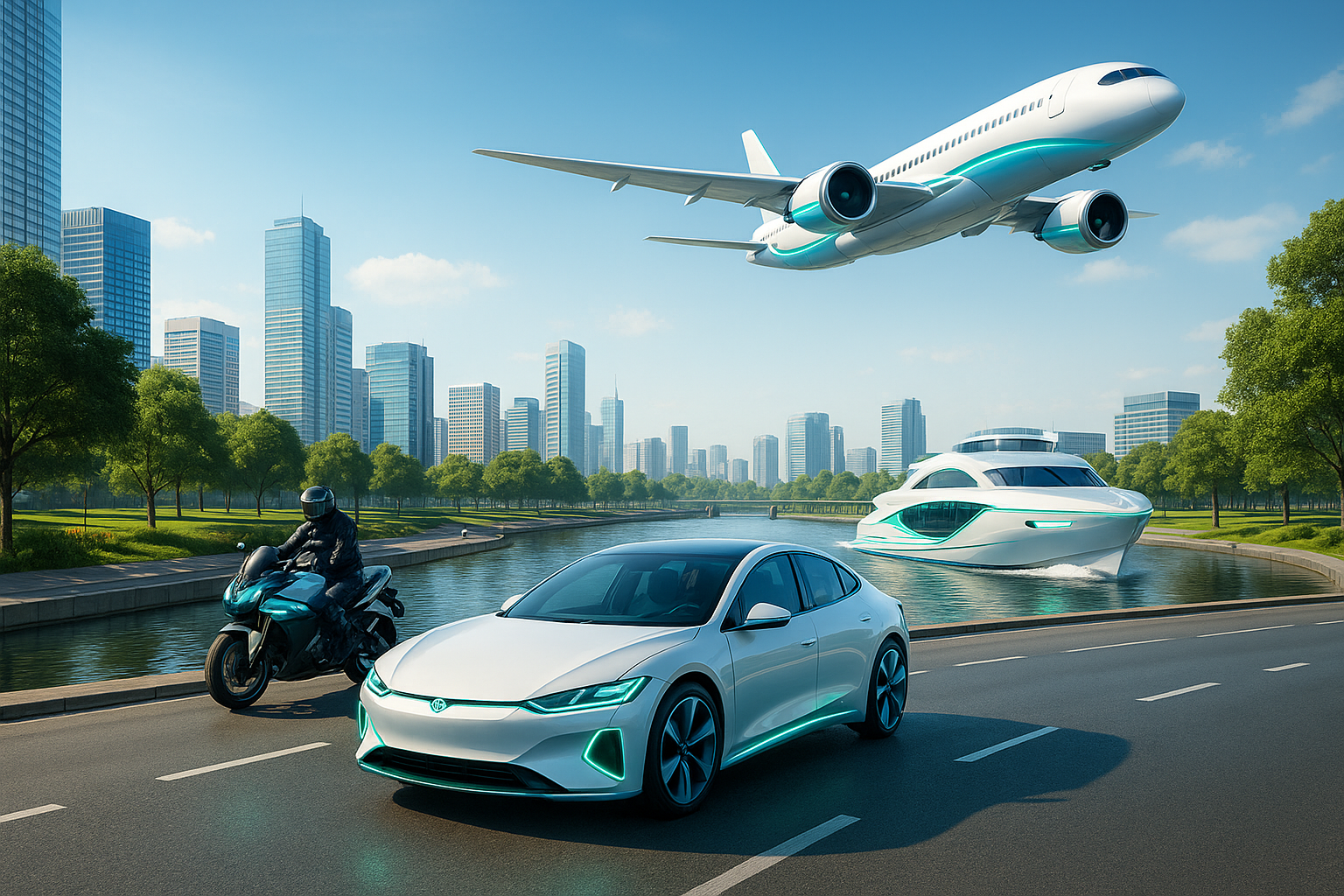
Decarbonising transport is one of the biggest challenges, and hydrogen plays a prominent role in it.
In road transport, the advantages of hydrogen fuel cell vehicles are: fast refuelling (3–5 minutes),
long range (500–800 km), lower weight compared with battery solutions
Particularly important for: heavy goods vehicles, long-distance coaches, logistics fleets
Rail transport
On non-electrified railway lines, hydrogen offers an alternative to replace diesel locomotives.
Aviation: Hydrogen can be used as a direct fuel or in the form of synthetic kerosene. Major aircraft manufacturers are already actively developing the technology.
In shipping, hydrogen and ammonia (a hydrogen derivative) are important mainly in maritime transport)
👉 they can play a key role in reducing emissions.
Synthetic fuels – a transition for existing systems:
Hydrogen makes it possible to produce so-called e-fuels, which are compatible with current infrastructure.
Advantages: can be used in existing engines, easy to transport, can be stored for long periods
Uses: aviation, shipping, heavy industry
👉 These play a key role in sectors where direct electrification is not feasible.
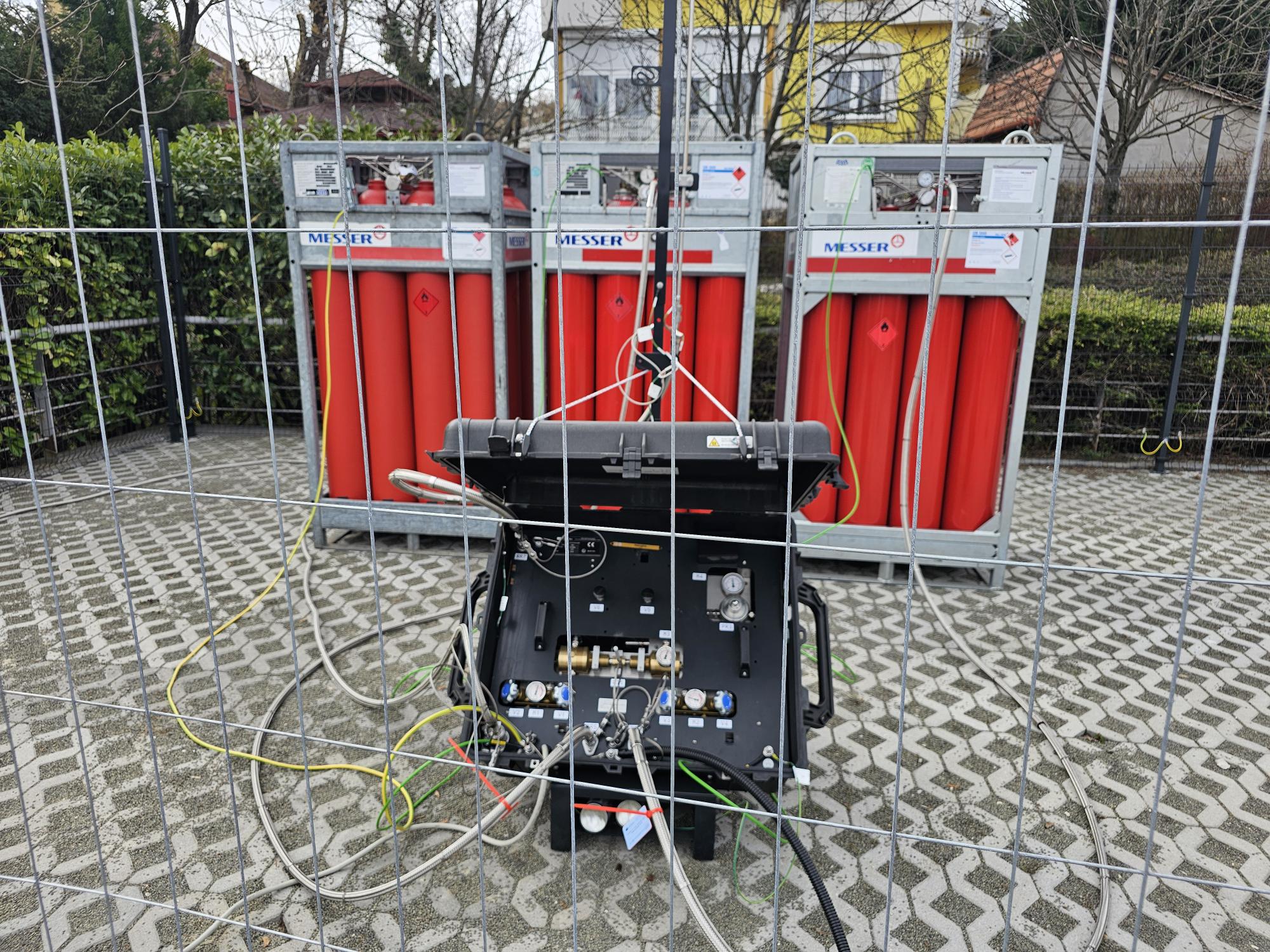
Hydrogen is also appearing in building energy, although this is still a developing field.
Hydrogen blending in existing natural gas networks: up to 5–20% hydrogen can be blended in, reducing CO₂ emissions
Pure hydrogen systems
Pilot projects are already in operation: hydrogen boilers, fully hydrogen-based heating systems
Limitations: infrastructure conversion is required, safety and regulatory challenges
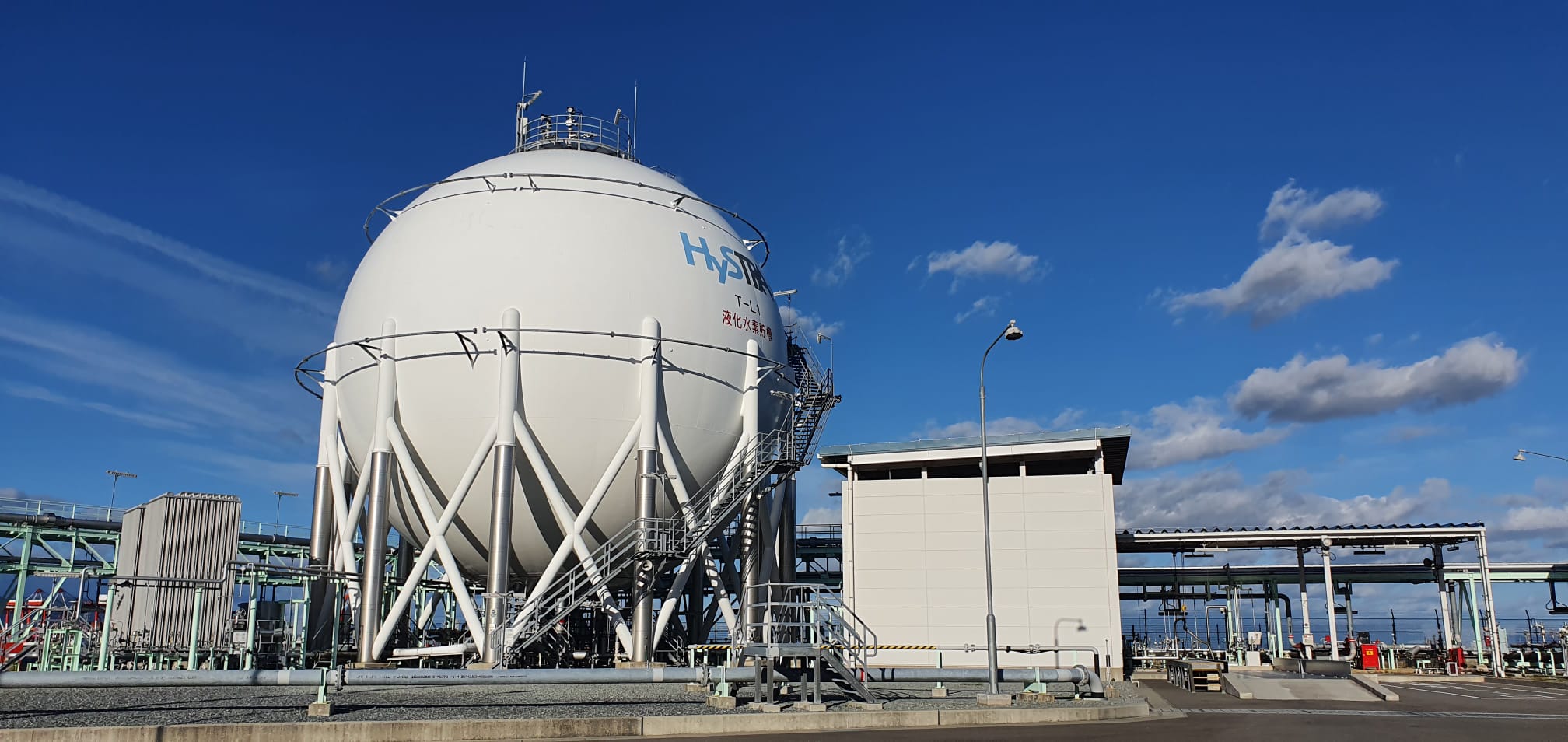
The rapid development of hydrogen technology is creating new industries.
Innovative production:
Photocatalysis – direct hydrogen production from sunlight
Methane pyrolysis – solid carbon + hydrogen, without CO₂
Biological methods – use of microorganisms
Hydrogen infrastructure: hydrogen pipelines, liquid hydrogen transport and ammonia as an energy carrier.
Hydrogen valleys
Integrated systems where hydrogen is produced and used locally, minimising transport losses.
Challenges and limitations: Several obstacles still stand in the way of the widespread adoption of hydrogen, e.g. economic challenges such as the high cost of green hydrogen and capital-intensive infrastructure, or technological barriers such as low efficiency in certain processes and storage difficulties (high pressure or low temperature)