
DISCOVER THE APPLICATIONS OF HYDROGEN
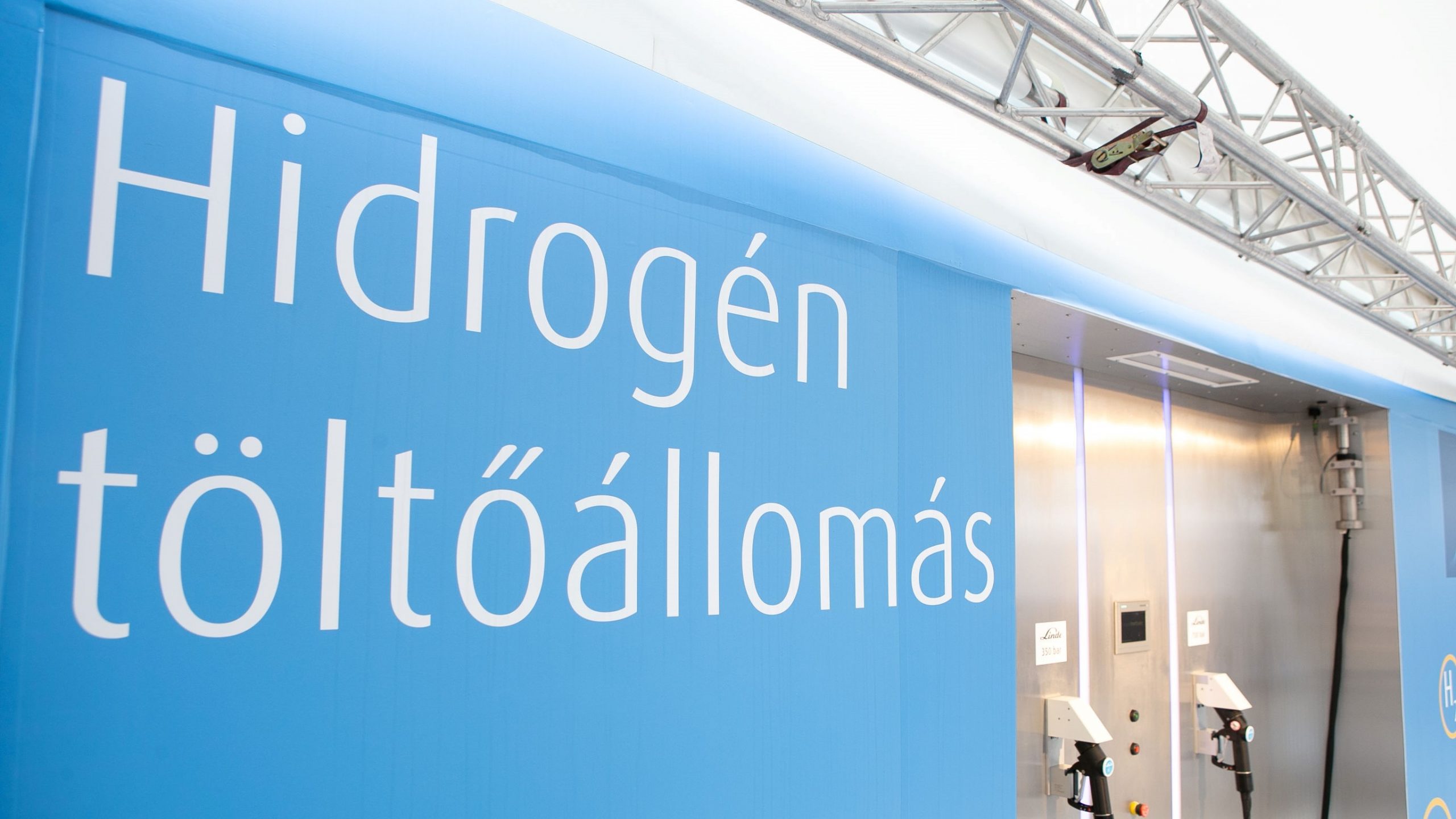
Ultimately, the goal is for the transport sector to give up fossil fuels completely. One well-functioning approach is electric mobility. Hydrogen-powered propulsion systems can complement this technology. In this case, hydrogen is either used to fuel an internal combustion engine or converted into electricity via a fuel cell. Hydrogen-powered vehicles have a number of advantages over electric vehicles. For example, their range is between 400 and 750 kilometres, greater than that of any current electric vehicle, and refuelling takes only three to four minutes.
Hydrogen as a direct and indirect fuel
When hydrogen is used directly in fuel cell vehicles, the three main considerations are efficiency, safety and reliability. Many countries are working on developing a cost-effective and reliable measurement and control concept. This ensures that the system reaches its optimal operating parameters quickly and accurately. Researchers are also optimising the fuel cell's load management system and working to improve economy, efficiency and durability.
The fuel cell uses a process called reverse electrolysis. Electrolysis splits the water molecule into oxygen and hydrogen. Reverse electrolysis does the opposite. The fuel cell is fed with hydrogen fuel from the vehicle's tanks, and oxygen from the ambient air is then added. The reaction of this combination produces water, heat and electrical energy. The water is released as vapour through the FCEV's exhaust. The electricity is used to charge the on-board battery (peak power battery) and to power the electric motor. As a result, these vehicles produce no greenhouse gas emissions from their operation. Although in this case too a battery drives the motor, it is considerably smaller and lighter than the type used to power an electric car. The reason it does not need to be as large is that the fuel cell continuously recharges it.
Hydrogen powertrains, like BEVs, can also recover braking energy. This allows the motor to convert the vehicle's kinetic energy into electricity, which is used to recharge the peak power battery.
Fuel cells, like alkaline batteries, generate electricity directly through an electrochemical reaction. One of the main differences is that while batteries are useless once discharged, fuel cells keep operating as long as the fuel supply is maintained. Fuel cells are electrochemical devices in which the chemical energy of the fuel (primarily hydrogen, but for certain cell types it can be something else, e.g. methanol, ethanol, biogas, etc.) is converted directly into electrical energy, while heat is also generated.
Fuel cells generally consist of two electrodes (an anode and a cathode) with an electrolyte between them. In the process, with the help of a catalyst (usually platinum), hydrogen molecules are first split into hydrogen atoms and then into protons and electrons. The protons pass through the electrolyte, while the electrons travel through an external circuit and can thus be used as electric current. The electrons arriving at the cathode combine with the protons and oxygen with the help of the catalyst, producing water. The output of a single cell is generally small, e.g. for use in vehicles, so the cells are connected in series and arranged into so-called fuel cell stacks.
OTHER SOLUTIONS
Instead of using hydrogen to power fuel cell vehicles, gaseous hydrogen can also be used to produce liquid fuels via methanol as a platform chemical. Burning these fuels results in low levels of pollution and, in a well-to-wheel comparison with fossil fuels, can reduce greenhouse gas emissions by up to 90 per cent. Like ethanol used as a petrol additive, these oxymethylene dimethyl ethers (OME) can also be blended with diesel to produce a blended fuel. This type of power-to-liquid process makes sense primarily for applications in which hydrogen cannot be used to power the propulsion system – for example in shipping and aviation.